Top 5 Most Frequent Engine Failures in Turkey and Their Causes - dailydrive
- 1 - 1.3 Multijet (Diesel) Engines
- 2 - 1.2 PureTech (Gasoline) Engines
- 3 - 1.6 TDI (Diesel) Engines
- 4 - 1.4 TSI and 1.5 TSI (Gasoline) Engines
- 5 - LPG-Converted Atmospheric (1.6 MPI/VVT) Engines
- 6 - Chronic Failures and Solutions by Engine Type
- 7 - How to Protect Yourself from Failure Risks in 2026?
- 8 - Summary
The Turkish automotive market hosts a wide range of vehicles with different fuel types and engineering solutions. As we enter 2026, the mechanical health of the engine has become the most critical criterion in second-hand vehicle sales and long-term rentals. Although some engine types stand out with their fuel economy and performance, they can develop chronic problems after a certain mileage. These failures lead to costly repairs, especially when combined with the climate conditions in Turkey, fuel quality, and incorrect maintenance habits.
Many engines that drivers consider "trouble-free" actually harbor hidden risks. In this guide, we examine the 5 engine types most commonly encountered on Turkish roads and worked on most by service centers, along with their causes.
1.3 Multijet (Diesel) Engines
Used in many brands, primarily the Fiat group, this engine is the most widespread diesel unit in Turkey. While known for its durability, high mileage and heavy-duty conditions make certain failures chronic in this engine.
Timing Chain Stretch and Oil Consumption Issues
The biggest risk of this engine is the timing chain. The chain, which typically needs replacement around 160,000 km, stretches in neglected vehicles. When the chain rattle is ignored, it snaps, making the engine completely unusable. Additionally, the use of low-quality oil leads to damaged turbo shafts and causes the vehicle to burn oil. Increasing spare part costs in 2026 make the maintenance of this engine even more critical.
1.2 PureTech (Gasoline) Engines
Widespread in PSA group (Peugeot, Citroen, Opel) vehicles, this three-cylinder engine is frequently on the agenda due to a technological design flaw.
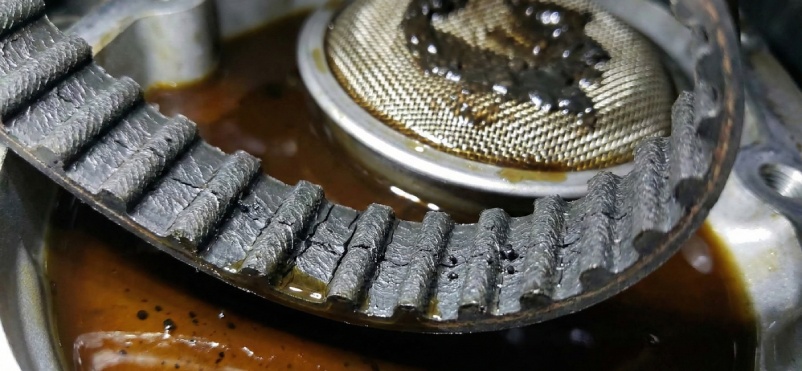
Risks of the Oil-Immersed Timing Belt
The timing belt of this engine operates inside the engine oil. Over time, the chemical structure of the oil causes the belt to crumble. Rubber particles from the belt clog the oil strainer. Since lubrication cannot be performed, the engine seizes. It is difficult for drivers to realize this situation because the failure happens suddenly. In 2026 projections, it is vital for owners of these vehicles to use the special oils updated by the manufacturer and to check the belt more frequently.
1.6 TDI (Diesel) Engines
The center of Volkswagen group vehicles, this engine offers high torque and low consumption. But the stop-and-go traffic and fuel quality in Turkey reveal the weak points of this engine.
Injector and DPF Clogging
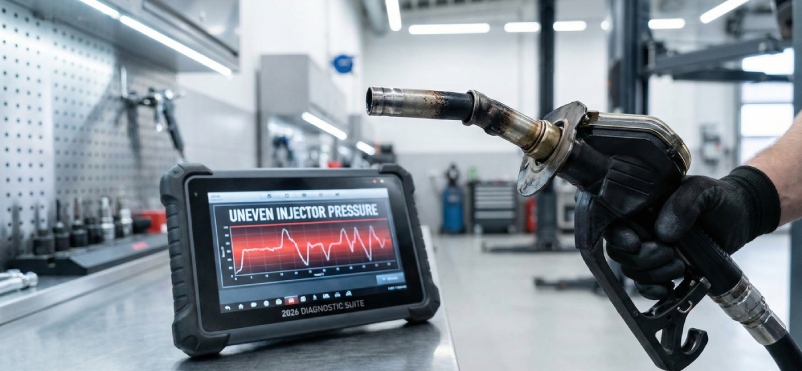
These engines are very sensitive to fuel quality. Poor quality fuel disrupts the spray balance of the injectors, and shaky operation begins in the vehicle. Additionally, urban short-distance use leads to the clogging of the Diesel Particulate Filter (DPF). When the regeneration process cannot be completed, the filter becomes completely blocked, and the replacement cost burdens drivers.
1.4 TSI and 1.5 TSI (Gasoline) Engines
These performance-oriented engines combine turbocharging and direct injection technology. But this technological structure can suffer heavy damage under certain usage errors.
Carbon Buildup and Piston Damage
In these direct-injection engines, soot accumulates on the intake valves over time. This makes it difficult for the engine to breathe and creates performance loss. Additionally, Low-Speed Pre-Ignition (LSPI) under heavy load at low RPM can cause pistons to break. In 2026, drivers using these engines must pay more attention than ever to carbon cleaning and the use of high-quality fuel.
LPG-Converted Atmospheric (1.6 MPI/VVT) Engines
LPG conversion is the most preferred method for economic driving in Turkey. But non-factory conversions leave irreversible damage in engine mechanics.
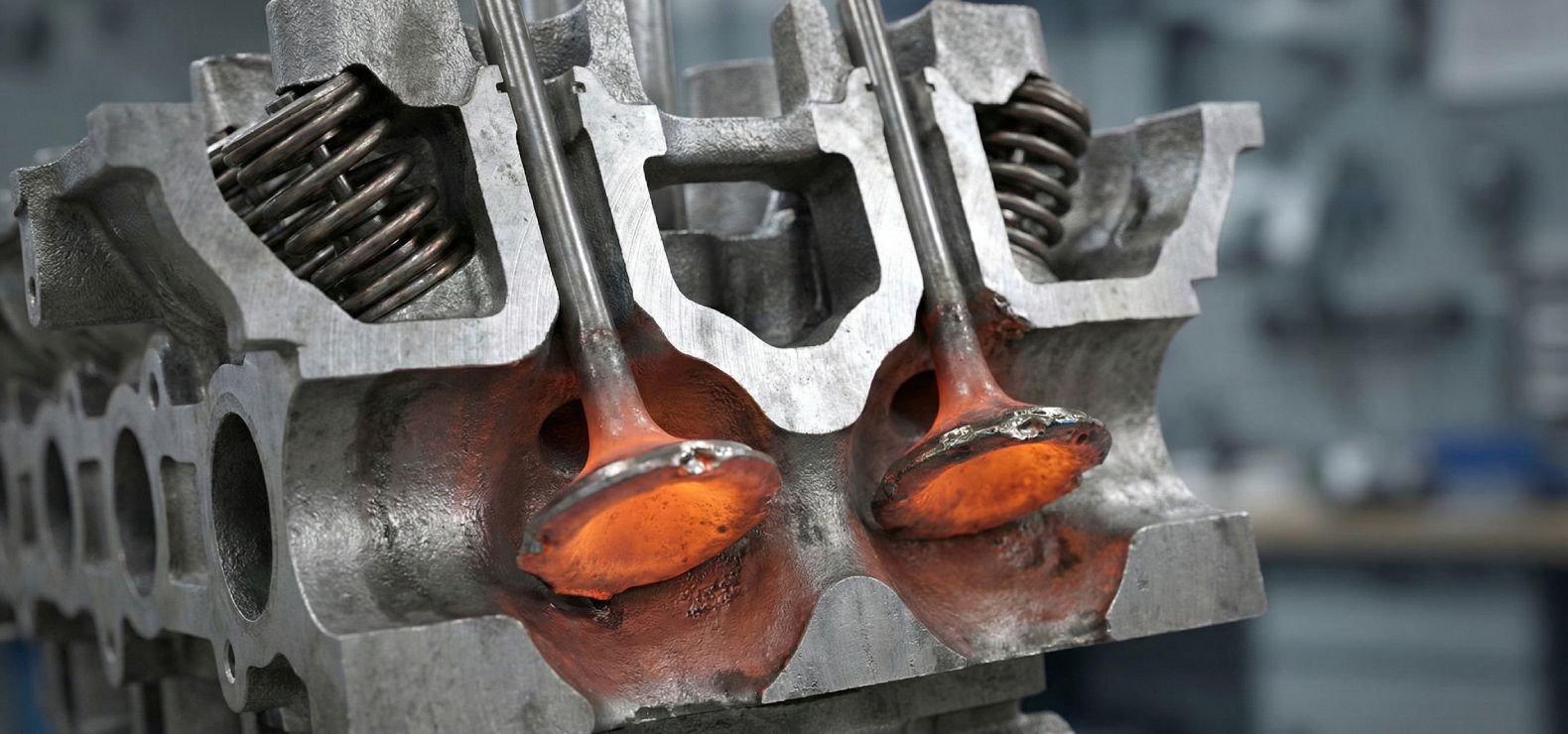
Valve Melting and Hardening Issues
LPG burns at a higher temperature compared to gasoline. This high heat causes the valves and valve seats in the cylinder head to melt or lose their form over time. This problem appears after 40,000 - 50,000 km, especially in engines without "steel valves." The compression of the engine drops, and a serious rectification cost arises.
Chronic Failures and Solutions by Engine Type
|
Engine Type |
Most Common Failure |
Root Cause |
Critical Precaution |
|
1.3 Multijet |
Timing chain snap |
Maintenance delay |
Replacement before 150k km |
|
1.2 PureTech |
Oil pump clogging |
Belt crumbling in oil |
Frequent oil and filter checks |
|
1.6 TDI |
Injector failure |
Low fuel quality |
Reliable station selection |
|
1.4/1.5 TSI |
Carbon buildup |
Direct injection structure |
Carbon cleaning (Carbon Clean) |
|
LPG 1.6 |
Valve melting |
High combustion heat |
Heat-resistant valve replacement |
How to Protect Yourself from Failure Risks in 2026?
Engine failures usually signal they are coming. Correct observation and timely intervention protect your budget.
- Pay Attention to Oil Choice: Do not use random oils, especially in specific engines like PureTech. Prefer manufacturer-approved (OEM) oils.
- Listen to Sounds: A rattling sound the engine makes in the mornings is a harbinger of chain or bearing issues.
- Evaluate the Rental Advantage: If you do not want to deal with engine failures and high repair bills, renting a car is a sensible way. DailyDrive performs all engine maintenance of the vehicles in its fleet at authorized services and on time. The risk of engine failure is entirely the responsibility of the rental company.
Summary
The most used engines in Turkey can experience chronic problems due to wrong maintenance and usage habits. Situations like the chain issue of the 1.3 Multijet or the belt risk in oil for the PureTech are hidden costs for vehicle owners. Considering the increasing part and labor prices in 2026, preventive maintenance is more valuable than ever. Listening to your engine and using quality fuel extends the life of your vehicle.
Similar Articles





Dailydrive
Blog
From car rental tips to travel tips, from maintenance advice to the best routes, our blog is full of guides to help you plan your trip in the best possible way.

Who Can Rent a Car? Conditions, Age Limits, and Required Documents (2026)
Discover the 2026 car rental age limits, driving license requirements, and mandatory KA...
View Details ->

Vehicle Rental Expense Restriction and Accounting Record: 2026 Guide
Passenger car expense restriction, 2026 limits, NDE (KKEG) logic, and accounting record...
View Details ->

2026 Trends: Data Security and Driver Privacy in Connected Vehicles
Cars are no longer just mechanical tools that take us from point A to point B. As we ap...
View Details ->
Light & Sensor Errors in New Generation Vehicles: What Do They Really Mean?
Modern automobiles are no longer just a combination of mechanical parts. As we enter 20...
View Details ->

How to Reduce Depreciation When Selling Your Car
There comes a moment for each driver when he checks his current car market value and sa...
View Details ->

5 Venue Suggestions for an Outdoor Wedding Concept in Istanbul
5 venues for an outdoor wedding concept in Istanbul. A short guide with capacity, trans...
View Details ->

Winter Off-the-Beaten-Path Travel Plan: Alternative Routes Away from Ski Resorts
Alternative winter holiday routes instead of skiing. A guide for quiet winter holidays ...
View Details ->

The Impact of Fuel Quality on Breakdown Risks: Real-Life Experiences
Çoğu sürücü, yakıt almak için durup yola devam ettikten kısa bir süre sonra bir şeyleri...
View Details ->


_9l2oes7rox.png)
Welcome to dailydrive!
dailydrive is one of the leading platforms serving to fulfill your car rental needs in Turkey. No matter where you are in the world, you can easily select and book the car you need for your travels in Turkey. Whether for a single day, a week, or a month, you can rent your dream car from dailydrive at attractive prices.
Airport Locations
Istanbul Airport Car Rental
-
Istanbul Sabiha Gokcen Airport (Off-Airport) Car Rental
-
Izmir Adnan Menderes Airport Car Rental
-
Antalya Airport Car Rental
-
İstanbul Sabiha Gökçen Airport
City Locations
Book Car Rental in Turkey with dailydrive
With its expertise in the tourism sector and its innovative approach, dailydrive offers professional solutions for your car rental needs in Turkey. From city travel to holiday plans, it provides rental services tailored to every requirement, promising a reliable travel experience. With a strong technical infrastructure, user-friendly website, and customer-oriented service approach, dailydrive meets the expectations of both individual and corporate clients at the highest level. Featuring streamlined reservation systems and competitive pricing options, dailydrive stands out by offering fast and practical solutions that save you time. It also offers a wide fleet of vehicles suitable for daily, weekly, monthly, or long-term rentals. The diverse range of vehicles includes options from both economy and luxury segments, appealing to every budget. Through its corporate solutions, dailydrive provides flexible service options tailored to various needs and continues to be one of the leading platforms in the industry. Its fleet includes vehicles from the most trusted and popular automotive brands, combining high comfort and quality. Each vehicle undergoes regular maintenance and inspections to ensure a safe experience for customers. Book now to rent your dream car at attractive prices and enjoy a pleasant journey.