Light & Sensor Errors in New Generation Vehicles: What Do They Really Mean? - dailydrive
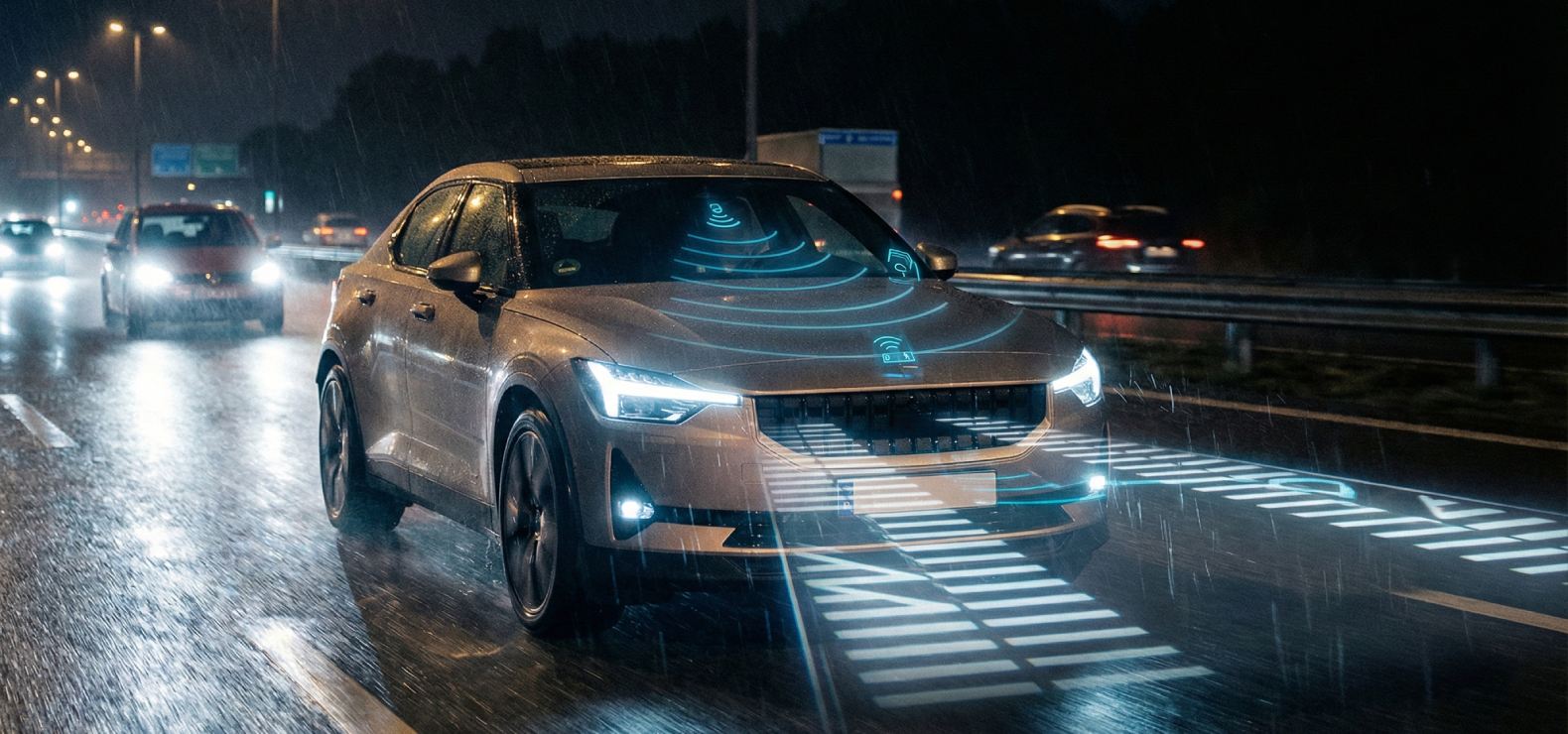
Modern automobiles are no longer just a combination of mechanical parts. As we enter 2026, vehicles have turned into computers on wheels that process thousands of data packets in seconds. Sensors are the most important components of these systems. Sensors monitor every point of the vehicle, from the engine to the brake system, and from exhaust emissions to exterior lighting. A warning light on the instrument panel shows that this massive electronic network has detected a problem.
Many drivers find the lights on the panel complex or intimidating. However, these lights are the vehicle's way of communicating with you. Knowing what sensor errors mean protects your driving safety and prevents major repair costs. This guide explains the facts behind common warnings in new-generation vehicles.
Warning Light Color Codes: How to Understand the Severity?
Warning lights in new-generation vehicles work with a logic similar to traffic lights. The color of the light determines the urgency of the problem.
Red Warning Lights: Stop Immediately
When a red light turns on, the situation is critical. These warnings usually relate to oil pressure, engine temperature (overheating), or the brake system. When you see a red light, you should pull the vehicle to a safe place and stop the engine. Continuing to drive leads to the engine becoming completely unusable or increases the risk of an accident.
Yellow Warning Lights: Check the System
Yellow or orange lights show that a system is not working properly, but the vehicle can still move. The check engine light or tire pressure warning is in this group. You have time to go to a service center when these lights turn on. Delaying the problem causes the system to give larger failures.
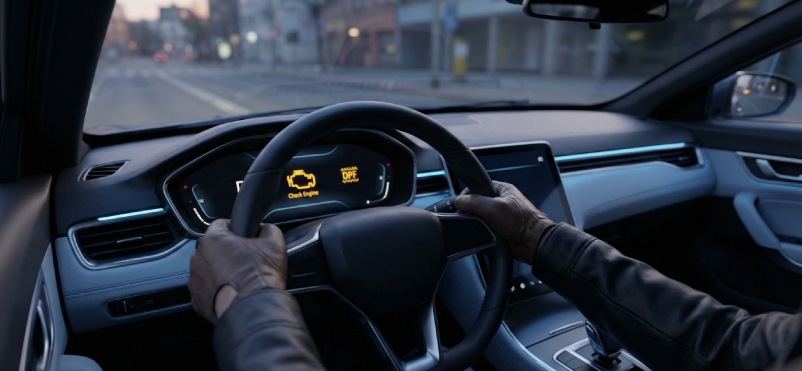
Most Common Critical Sensor Warnings
As the number of sensors increased in 2026 model vehicles, the types of error notifications also diversified. Here are the three basic warnings you should pay attention to most.
Check Engine Light
This light is the most mysterious one for drivers. The Engine Control Unit (ECU) turns this light on when it detects a deviation in the engine's operating parameters. The failure can stem from a very simple sensor contamination. However, a major problem in the ignition system or fuel injection also triggers this light. Vehicles with 2026 technology may increase fuel consumption or limit performance when this light is on. A flashing light indicates that the problem is very serious and the engine is being damaged.
Diesel Particulate Filter (DPF) Warning
This is the most frequent sensor error diesel vehicle owners face. Sensors in the exhaust system detect that the filter is full of soot. Short-distance driving triggers this error. When this light turns on, the vehicle needs "regeneration," which is the self-cleaning process. If this warning is ignored, the filter becomes completely clogged. A clogged filter prevents the engine from breathing and creates high replacement costs.
Adaptive Light and Vision System Errors
New-generation vehicles are equipped with adaptive headlights that change direction based on the oncoming vehicle. Cameras are also used for lane-keeping and collision-avoidance systems. Sensor errors in these systems usually stem from dirt on the glass or loss of calibration. An adaptive light error can blind other drivers at night or narrow your field of vision. The cleanliness and correct operation of these sensors carry vital importance for safe driving.
Why are Sensor Errors Increasing in 2026 Technology?
As technology develops, vehicles become more sensitive. Many parts that were mechanical in the past are now managed by electronic sensors. A vehicle with 2026 standards contains hundreds of sensors. Cable connections, sockets, or software of these sensors can be affected by external factors. Extreme heat, high humidity, or road vibrations can cause sensors to send incorrect data. This situation is usually not a physical failure but a software "misconception." However, the error code must be read with a professional diagnostic device in every case.
Critical Warning Lights and Driver Action Plan
The table below summarizes the most common warning lights and what needs to be done in these cases.
|
Light Symbol |
Meaning |
Risk Level |
What Should the Driver Do? |
|
Engine Light (Yellow) |
Engine or emission issue |
Medium |
Go to the service center as soon as possible. |
|
Oil Lamp (Red) |
Low oil pressure |
Very High |
Stop the vehicle immediately, check the oil level. |
|
DPF Light (Yellow) |
Particulate filter fullness |
Medium |
Drive the vehicle at high RPM for 20 minutes. |
|
Brake Light (Red) |
Brake system or handbrake |
Very High |
Check the handbrake; if it stays on, call for help. |
|
ABS Light (Yellow) |
Anti-lock braking system |
Medium / High |
Brakes work but ABS is disabled. Drive carefully. |
|
Headlight Error (Yellow) |
Lighting or sensor failure |
Low / Medium |
Check headlight settings and sensor cleanliness. |
Smart Ways to Prevent Sensor Errors
Many sensor errors are directly related to user habits. Small measures ensure the system remains healthy.
- Prioritize Cleanliness: Keep the cameras on the windshield and the parking sensors on the bumpers clean. Mud and dust cause sensors to remain "blind."
- Use Quality Fuel: Emission and engine sensors are sensitive to fuel quality. Additive-rich and clean fuels extend sensor life.
- Update Software: 2026 model vehicles are updated via OTA. These updates usually contain software improvements that ensure sensors work more stably.
- Do Not Skip Maintenance: Changing air and fuel filters on time prevents sensors from producing incorrect data due to dirty air or fuel.
Summary
A light that turns on in new-generation vehicles is a safety mechanism designed to protect the health of the vehicle. The check engine light, DPF warning, or adaptive headlight errors warn the driver against potential dangers. Reading these signs correctly ensures your life safety and protects the second-hand value of your vehicle. Ignoring warnings can cause a simple sensor replacement to turn into an engine overhaul.
DailyDrive inspects the sensor and electronic systems of all vehicles in its fleet with professional teams. Ensuring the perfect operation of all safety equipment during the car rental process is the responsibility of DailyDrive. You can also experience a safe and economic driving experience by understanding the language on the panel of your own vehicle or the car you rented. Do not forget to check the instrument panel before hitting the road and take warnings seriously.
Similar Articles





Dailydrive
Blog
From car rental tips to travel tips, from maintenance advice to the best routes, our blog is full of guides to help you plan your trip in the best possible way.
Fuel Quality & Breakdown Risks: A Real-World Guide
How fuel quality shapes breakdown risks, injector failures, pump issues, and long-term ...
View Details ->

Is Buying a Car Cheaper for Retirees? 2026 Market Analysis
Discover car purchase advantages for retirees in 2026. Latest on SCT exemption proposal...
View Details ->
New Behaviors Changing "Used Cars" in 2026: Digital Inspection and Video Checks
The automotive world is entering a radical digital transformation era where consumer ex...
View Details ->

Sea, Nature, Peace: Best Addresses for Vacation in Kaş and Surroundings
The best spots for your Kaş, Kalkan, and Patara beach vacation plans! Guide for transpo...
View Details ->
Major Changes Awaiting Drivers as We Enter 2026
Updates will cover everything from traffic fines to car rental prices, and from Motor V...
View Details ->
Which Driving License Covers Which Vehicle? (A to Z Guide)
In Türkiye, having a valid driver’s license is mandatory to operate any vehicle on publ...
View Details ->
Ramadan Feast Holiday Routes: 3 and 5-Day Escape Plans Appealing to Both the Soul and the Eye
We have left a long winter behind, the first blooms have fallen, and nature is saying, ...
View Details ->

Advantages of Airport Car Rental: Tips to Simplify Your Journey
Why is renting a car from the airport advantageous? Discover time savings, luggage ease...
View Details ->

_9l2oes7rox.png)
Welcome to dailydrive!
dailydrive is one of the leading platforms serving to fulfill your car rental needs in Turkey. No matter where you are in the world, you can easily select and book the car you need for your travels in Turkey. Whether for a single day, a week, or a month, you can rent your dream car from dailydrive at attractive prices.
Airport Locations
Istanbul Airport Car Rental
-
Istanbul Sabiha Gokcen Airport (Off-Airport) Car Rental
-
Izmir Adnan Menderes Airport Car Rental
-
Antalya Airport Car Rental
-
İstanbul Sabiha Gökçen Airport
City Locations
Book Car Rental in Turkey with dailydrive
With its expertise in the tourism sector and its innovative approach, dailydrive offers professional solutions for your car rental needs in Turkey. From city travel to holiday plans, it provides rental services tailored to every requirement, promising a reliable travel experience. With a strong technical infrastructure, user-friendly website, and customer-oriented service approach, dailydrive meets the expectations of both individual and corporate clients at the highest level. Featuring streamlined reservation systems and competitive pricing options, dailydrive stands out by offering fast and practical solutions that save you time. It also offers a wide fleet of vehicles suitable for daily, weekly, monthly, or long-term rentals. The diverse range of vehicles includes options from both economy and luxury segments, appealing to every budget. Through its corporate solutions, dailydrive provides flexible service options tailored to various needs and continues to be one of the leading platforms in the industry. Its fleet includes vehicles from the most trusted and popular automotive brands, combining high comfort and quality. Each vehicle undergoes regular maintenance and inspections to ensure a safe experience for customers. Book now to rent your dream car at attractive prices and enjoy a pleasant journey.