- 1 - The Impact of Fuel Quality on Breakdown Risks: Real-Life Examples
- 2 - Why Gas Quality Matters More Than Drivers Think It Does
- 3 - The Unseen Effects of Substandard Gas
- 4 - Real Examples of How Gas Quality Can Break Down Quickly
- 5 - The Cheaper Gas Illusion
- 6 - Ways To Identify Good Gas Without Being An Expert
- 7 - What Service Techs Commonly Witness Behind The Scenes
- 8 - FAQ: Common Driver Questions About Fuel Quality
- 9 - A Final Thought
The Impact of Fuel Quality on Breakdown Risks: Real-Life Examples
Imagine a busy gas station on a regular weekday morning. Cars come in and out, people hurry around, and while you're sending a message or getting a quick snack, a driver fills his gas tank and never gives it another thought. It's weird. Though gas is essentially the backbone of what makes a vehicle move, most drivers view it like a secondary concern – it's a big deal, but it never gets much thought. Yet, the quality of this liquid can influence an engine's future in many ways that become apparent only when something goes wrong.
Gas isn't "gas." It's a mix of chemicals that support the engine's health or silently undermine it. Sometimes the first signs of a problem seem so subtle that drivers do not associate them with bad gas until the issue has grown into an expensive one — or, in some cases, a little dramatic. Enough said...
Below is a deeper dive into why gas quality affects drivers far more than they realize, using actual on-the-road examples, and a couple of easy-to-implement tips that help everyday drivers, fleet owners, and everyone else, avoid having to get their car towed to the shop because of a coughing engine.
Why Gas Quality Matters More Than Drivers Think It Does
Engines today are incredibly precise, high-pressure machines. They have been engineered to perform at levels of precision that seemed outrageous a couple of decades ago. As a result, the gas going into those machines needs to meet a set of standards — specifically, consistency, cleanliness, and a correct chemical composition.
Think of it this way: clean gas = clean burn = long-lasting engine. It sounds obvious, but once contaminants enter the system, problems arise rapidly.
The Unseen Effects of Substandard Gas
-
Subpar gas causes the engine to burn improperly, causing it to work much harder than it needs to.
-
Water droplets, excess sulfur, and other particles will degrade the injectors and pumps over time.
-
Dirty gas causes increased emissions, since incomplete combustion always produces more exhaust — and usually more odor.
-
And here’s the sneaky one; as residue builds up, the engine gradually loses efficiency, and you may not even know it until you notice a 5-10% increase in your fuel costs. Which is wild when you think about it!
Modern engines were designed to withstand pressure, heat fluctuations, and varying road conditions...but not contaminated gas consistently.
Real Examples of How Gas Quality Can Break Down Quickly
These are not hypothetical. These represent what technicians, roadside crews, and other everyday drivers see surprisingly often.
Problems Show Up Rapidly When Operating in Stressful Environments
For instance, in cities like Istanbul, where cars spend most of the day crawling through congested traffic, the operating environment is stressful. Combine this with sub-par gas and symptoms can pop up quickly.
Short Distance Problems That Show Up Quickly
A compact car was being driven mostly for short trips in Istanbul. About three days after filling up with gas at a smaller gas station, the car started experiencing:
-
loss of power
-
rough idle
-
sudden vibration on acceleration
After taking the car in for a quick inspection, the technician found the fuel filter had almost completely clogged with residue, the type of residue that resembles a muddy substance mixed with water. This was not years of use. It was from three days of bad gas.
It's the kind of a surprise that nobody wants to experience.
Slow Degradation of Injectors
A longer-term example; a diesel car owner in Antalya experienced hesitancy with acceleration over several months of buying gas at low-cost stations. He then realized he had to wait longer for the car to warm up before it would start, and he could hear the engine running slightly irregularly.
Upon inspection, the technician's report stated the injectors had water content and particulates in them, enough to cause disruption to spray patterns. Diesel injectors are designed for precision, not for filtering debris. Once damaged, repairing them is time-consuming and costly.
What's interesting is the car owner's intent was to save money on each fill-up. In fact, the cost of repairs resulting from low-quality gas were significantly higher than the amount saved from buying cheap gas.
The Cheaper Gas Illusion
Many drivers truly believe that the cheapest gas option is simply a no-brainer: same tank, same trip, less money paid. Logical thinking...
However, modern engines are not tolerant of inconsistent or dirty gas. Many diagnostic reports from independent shops reveal that:
-
poor combustion results in incomplete energy release.
-
to compensate for this, the engine burns more fuel to achieve the same level of performance.
-
this results in a measurable 5-10% increase in consumption, and therefore a larger fuel expense.
So, you pay more for gas to save money on gas. A bizarre loop, but a very common one.
Ways To Identify Good Gas Without Being An Expert
Fortunately, you do not need to carry around a testing kit or pretend to be a chemist each time you stop to buy gas. Simple daily routines can greatly decrease the likelihood of bad gas entering your engine.
Look For Stations That Have Regular Check-Ups On Their Fuel
Well-established and reputable gas brands, including some independent stations, conduct routine quality tests. While all stations have the potential to provide good gas, there are varying degrees of consistency among stations. If a station is consistently empty, inexpensively priced, or seems neglected, there is probably a silent warning there.
Follow The Octane Or Cetane Number Recommended by Your Manufacturer
The number is recommended for a reason. Running a lower-rated octane/cetane number forces the combustion process to run under duress. Modern engines weren't designed to tolerate dirtier gas on a consistent basis.
Listen To Your Car Post-Gas Fill-Up
Most drivers underestimate how quickly an engine expresses dissatisfaction. So, after stopping to buy gas, listen to:
-
the tone of the engine
-
how smoothly the car accelerates
-
smoke from the tailpipe
-
your car's overall disposition (we'll call it that)
If you notice a difference — any difference — soon after filling up, it may be a clue that something is amiss.
Check The Fuel Filter If You Notice Anything Off
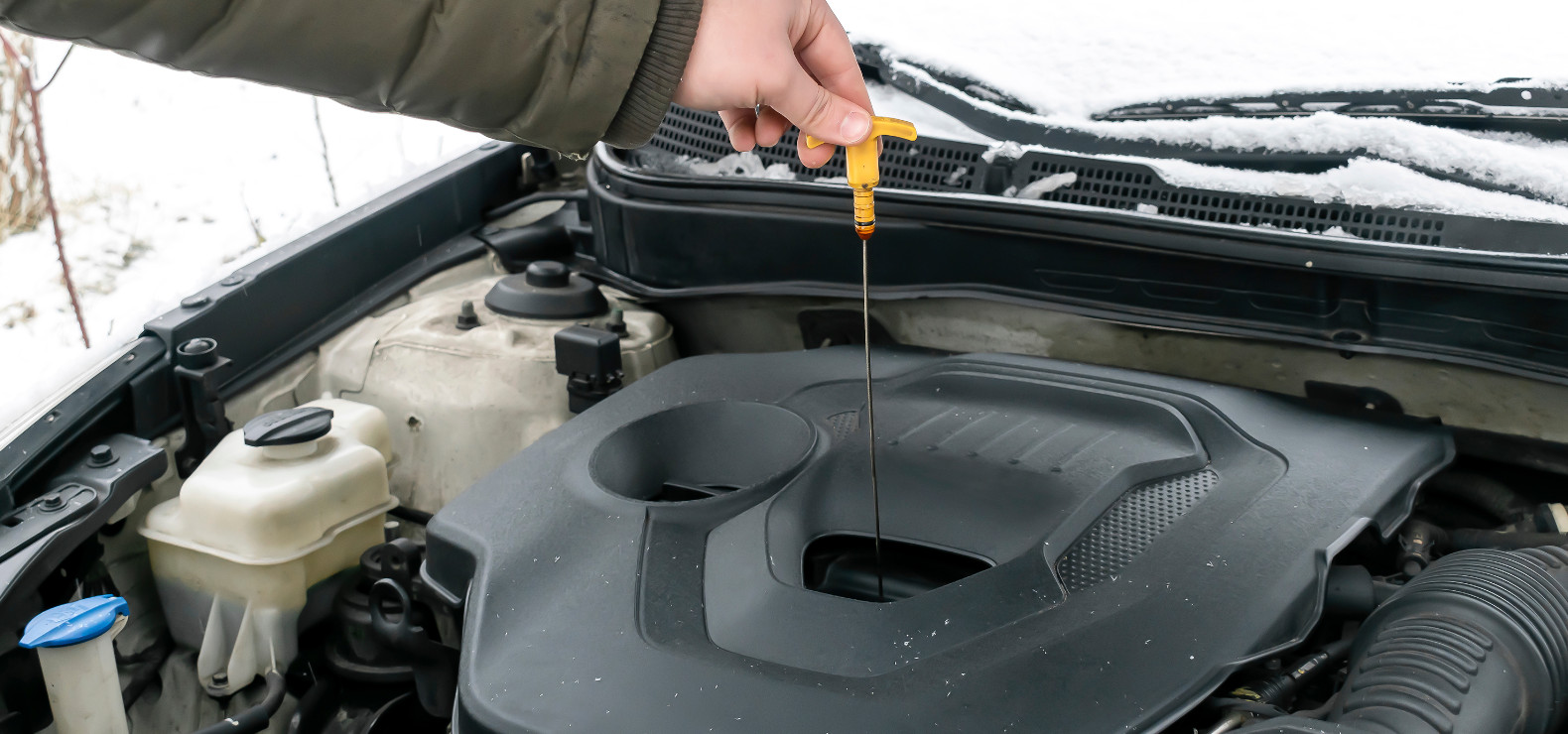
The fuel filter is your car's last defense against debris. If it clogs prematurely, it's likely that debris-laden gas entered the system. Checking the fuel filter early on may help keep damage from spreading to your injectors, pumps, and sensors.
What Service Techs Commonly Witness Behind The Scenes
Technicians commonly observe:
A surprisingly large number of vehicle problems directly stem from fuel quality.
Some of the most common fuel-related problems technicians encounter include:
-
clogged/damaged injectors
-
damaged pumps due to inadequate lubricant quality
-
dirty particulate filters caused by improper combustion
-
idling/starting problems caused by erratic combustion
-
excessive emissions that lead to failed emissions inspections
Technicians rarely point out fuel as a primary cause of a problem until a driver realizes that poor gas quality is the source of their problems. Usually, drivers attribute problems to age, mileage, or an odd failure. However, once contaminated gas enters the system, multiple parts begin to deteriorate at the same time and create a ripple effect.
FAQ: Common Driver Questions About Fuel Quality
Does premium fuel extend engine life?
Not automatically. Premium fuel helps only if your vehicle is designed for it. But high-quality fuel - whether regular or premium - always protects the engine better.
Can one tank of bad fuel ruin an engine?
It’s rare, but it can cause severe issues like misfires, stalling, or injector clogging. Usually the real damage shows up after repeated exposure.
Is water in fuel still a common problem?
Yes. Especially at stations with old storage tanks or poor maintenance. Water in fuel causes rust, injector wear, and rough starts.
Why does my car feel weak after refueling?
It might be coincidence, or it might be the fuel. If the car suddenly feels sluggish, the fuel quality should be checked immediately.
Does cheap fuel always mean bad fuel?
Not always. But extremely low prices compared to the market average often indicate diluted or contaminated stock.
A Final Thought
Fuel quality isn’t the sort of thing most people obsess over, yet it quietly influences almost every part of a vehicle’s health. Paying attention to where you refuel, noticing small changes after filling up, and keeping the fuel system clean can spare you a surprising amount of trouble. And who knows… maybe the next time you pull into a station, you’ll give the pump a second look and think, “Is this really worth it?”
Similar Articles






Dailydrive
Blog
From car rental tips to travel tips, from maintenance advice to the best routes, our blog is full of guides to help you plan your trip in the best possible way.
Top 5 Most Frequent Engine Failures in Turkey and Their Causes
The Turkish automotive market hosts a wide range of vehicles with different fuel types ...
View Details ->

Turkey’s Most Beautiful Beaches: 10 Must-Visit Shores
Explore Turkey’s hidden paradises from Kaputaş to Palamutbükü. Discover the top 10 beac...
View Details ->

5 Venue Suggestions for an Outdoor Wedding Concept in Antalya
5 venue suggestions for an outdoor wedding in Antalya. A short guide with season select...
View Details ->

When is the 2026 School Summer Holiday? Comprehensive Holiday Guide According to the MEB Calendar
How much time is left before those hurried footsteps in school corridors are replaced b...
View Details ->

Which Day Does April 23, 2026 Fall On? A 4-Day Holiday Opportunity!
Wondering what day April 23, 2026 falls on? Discover how to turn this holiday into a 4-...
View Details ->
2026 Official Holidays: Full List and Leave Bridging Guide
A new year means new hopes and, of course, new holiday plans! Looking at the calendar l...
View Details ->

Highway Speed Limits 2026: Current Limits and Comprehensive Fines Guide
2026 highway speed limits, radar fine rates, and tolerance percentages. A comprehensive...
View Details ->

Places to Visit in Antalya in Winter: A Travel Guide Based on Weather
Discover the best routes for sunny and rainy days with the Antalya winter holiday guide...
View Details ->


_9l2oes7rox.png)

Welcome to dailydrive!
dailydrive is one of the leading platforms serving to fulfill your car rental needs in Turkey. No matter where you are in the world, you can easily select and book the car you need for your travels in Turkey. Whether for a single day, a week, or a month, you can rent your dream car from dailydrive at attractive prices.
Airport Locations
Istanbul Airport Car Rental
-
Istanbul Sabiha Gokcen Airport (Off-Airport) Car Rental
-
Izmir Adnan Menderes Airport Car Rental
-
Antalya Airport Car Rental
-
İstanbul Sabiha Gökçen Airport
City Locations
Book Car Rental in Turkey with dailydrive
With its expertise in the tourism sector and its innovative approach, dailydrive offers professional solutions for your car rental needs in Turkey. From city travel to holiday plans, it provides rental services tailored to every requirement, promising a reliable travel experience. With a strong technical infrastructure, user-friendly website, and customer-oriented service approach, dailydrive meets the expectations of both individual and corporate clients at the highest level. Featuring streamlined reservation systems and competitive pricing options, dailydrive stands out by offering fast and practical solutions that save you time. It also offers a wide fleet of vehicles suitable for daily, weekly, monthly, or long-term rentals. The diverse range of vehicles includes options from both economy and luxury segments, appealing to every budget. Through its corporate solutions, dailydrive provides flexible service options tailored to various needs and continues to be one of the leading platforms in the industry. Its fleet includes vehicles from the most trusted and popular automotive brands, combining high comfort and quality. Each vehicle undergoes regular maintenance and inspections to ensure a safe experience for customers. Book now to rent your dream car at attractive prices and enjoy a pleasant journey.