Parts That Fail Most During Winter and Smart Ways to Prevent Them - dailydrive
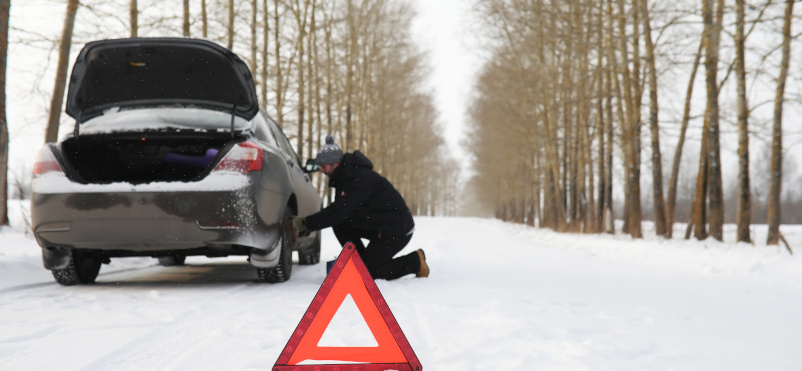
Winter is the most challenging season for drivers and vehicles. Dropping temperatures change the chemistry of metal, rubber, and fluid components. Engines that fail to start in the morning, dead batteries, or tires losing grip are rarely surprises. These issues are physical reactions of the vehicle to changing weather conditions. Statistics show that a large portion of roadside assistance calls occur during the first cold spell.
A conscious driver predicts the risks winter brings. Minimizing the risk of failure does not just mean staying on the road. It also means avoiding high repair costs. This guide covers the critical parts that fail most frequently during winter and practical ways to prevent these failures.
The Number One Victim of Cold Weather: The Battery
The most common issue service centers face in winter is a dead battery. Cold air slows down the chemical reaction inside the battery. This situation reduces the battery's capacity to generate power. At the same time, the energy required to start a cold engine increases. The battery loses power and must work harder simultaneously.
Ways to Prevent Battery Failure
Checking voltage is essential to protect battery health. Have the battery values measured with a voltmeter before winter arrives. If the battery is older than 3 years, it may be time for a replacement.
- Clean the Terminals: Oxidized terminals block the flow of electricity.
- Avoid Short Distances: Very short drives do not allow the battery to charge. Let the vehicle run at RPMs for a while when you start the engine.
- Keep Cranking Short: Do not press the starter for longer than 10 seconds when starting the vehicle. If you fail, wait 30 seconds before trying again.
Ignition System: Spark Plugs and Glow Plugs
Spark plugs in gasoline vehicles and glow plugs in diesel vehicles play a critical role in winter. A dirty or worn spark plug might work fine in summer. However, fuel evaporation becomes difficult in cold weather. A weak spark makes starting the engine impossible. In diesel vehicles, faulty glow plugs, which heat the air inside the cylinder, cause the engine to start late or not at all in the mornings.
Precautions Against Ignition Issues
Following the periodic maintenance schedule is essential. Replace spark plugs immediately if they reach the manufacturer's mileage limit.
- Use Quality Parts: Use original or equivalent quality parts in the ignition system. Cheap aftermarket products cause performance loss in the cold.
- Check Cables: Cracks in spark plug cables lead to electrical leakage on damp winter days. Inspect the cables visually.
Fuel System and Injectors
Low temperatures affect fuel fluidity. Diesel fuel, in particular, tends to gel in cold weather. This gel consistency clogs the fuel filter and prevents fuel from reaching the injectors. In gasoline vehicles, moisture forming in the fuel tank can freeze and block fuel lines. Dirty injectors prevent proper fuel spraying and reduce combustion efficiency.
Strategy to Prevent Fuel System Failures
Keep the fuel tank as full as possible. The air gap in an empty tank condenses during temperature changes and turns into water. This water mixes into the fuel system.
- Choose Quality Fuel: Buy fuel from reliable stations in winter. These stations sell fuel with additives suitable for winter conditions.
- Injector Cleaner: Injector cleaners added to the tank at specific intervals clean carbon deposits in the system.
Tires and Pressure Loss
Every 10-degree drop in air temperature lowers tire pressure by approximately 1-2 PSI. Underinflated tires make it difficult to hold on to snowy and icy surfaces. Additionally, tire rubber hardens below 7 degrees. Summer tires harden on cold asphalt, becoming like plastic, and extend braking distances.
Requirements for Tire Safety
Using winter tires is a safety necessity, not a choice. The special compound of winter tires retains flexibility in the cold.
- Pressure Check: Check tire pressures at least once a month when the tires are cold.
- Tread Depth: Although the legal limit is 1.6 mm, tread depth must be at least 4 mm for safe driving in winter conditions.
Fluid Components: Antifreeze and Wiper Fluid
Engine coolant (antifreeze) is the most important fluid preventing the engine from freezing. Using only water causes the engine block to crack. Similarly, wiper fluids that are not resistant to freezing damage the glass washing system and the wiper motor.
Fluid Checklist
Measure the antifreeze degree in the radiator. A mixture providing protection between -25 and -35 degrees is ideal for standard conditions.
- Wiper Fluid: Definitely add winter windshield fluid to the reservoir.
- Wiper Blades: Torn or hardened wiper blades block vision in rainy weather. Renew them as winter begins.
Table: Summary of Common Winter Failures and Solutions
The table below summarizes the basic problems drivers may face in winter and suggests quick solutions.
|
Failing Part |
Winter Symptom |
Critical Precaution |
|
Battery |
No start, dim lights |
Voltage check and terminal cleaning |
|
Spark Plugs |
Late starting, misfiring |
Change plugs at mileage limit |
|
Tires |
Pressure warning, sliding, long braking |
Weekly pressure check, fit winter tires |
|
Diesel Injector |
No start, power loss |
Keep tank full, buy quality fuel |
|
Wipers |
Streaking on glass, noise |
Blade replacement, antifreeze washer fluid |
|
Thermostat |
Engine not warming or overheating |
Check thermostat and coolant |
Summary
Vehicle failures in winter usually stem from neglected small details. Battery checks, tire pressure monitoring, and correct fluid usage save you from being stranded. Car owners ensure their safety and prevent high repair costs by performing these checks.
The rental option is always on the table for drivers who do not want to deal with vehicle maintenance processes. You simply focus on driving. Prepare your vehicle for winter for a safe journey in difficult weather conditions, or reduce risk to zero by renting a well-maintained vehicle.
Similar Articles





Dailydrive
Blog
From car rental tips to travel tips, from maintenance advice to the best routes, our blog is full of guides to help you plan your trip in the best possible way.

Parts That Fail Most During Winter and Smart Ways to Prevent Them
A conscious driver predicts the risks winter brings. Minimizing the risk of failure doe...
View Details ->

Istanbul Archaeology Museums and Hagia Sophia: 2025 Updated Guide
To truly feel Istanbul’s soul, you need more than wandering its streets — you need to d...
View Details ->

How Many School Holidays Are There In The School Calendar 2025 – 2026?
As part of its academic year announcement for 2025/2026, the Turkish Ministry of Nation...
View Details ->

Light & Sensor Errors in New Generation Vehicles: What Do They Really Mean?
Modern automobiles are no longer just a combination of mechanical parts. As we enter 20...
View Details ->

The Best Places to Visit in Izmir with Kids: Parks, Museums and Fun Activities
For families with children, finding safe, fun, and educational places is always a prior...
View Details ->

What to Do in Eskişehir? The 30 Most Popular Places to Visit and Travel Tips
Eskişehir is a city in the heart of Anatolia, but its atmosphere takes you far beyond. ...
View Details ->

Driving Across Turkey: The Ultimate 7-Day Road Trip Plan
The ultimate 2026 Turkey road trip guide! Explore routes from Istanbul to Kaş in 7 days...
View Details ->

Vehicle Rental Expense Restriction and Accounting Record: 2026 Guide
Passenger car expense restriction, 2026 limits, NDE (KKEG) logic, and accounting record...
View Details ->


_9l2oes7rox.png)

Welcome to dailydrive!
dailydrive is one of the leading platforms serving to fulfill your car rental needs in Turkey. No matter where you are in the world, you can easily select and book the car you need for your travels in Turkey. Whether for a single day, a week, or a month, you can rent your dream car from dailydrive at attractive prices.
Airport Locations
Istanbul Airport Car Rental
-
Istanbul Sabiha Gokcen Airport (Off-Airport) Car Rental
-
Izmir Adnan Menderes Airport Car Rental
-
Antalya Airport Car Rental
-
İstanbul Sabiha Gökçen Airport
City Locations
Book Car Rental in Turkey with dailydrive
With its expertise in the tourism sector and its innovative approach, dailydrive offers professional solutions for your car rental needs in Turkey. From city travel to holiday plans, it provides rental services tailored to every requirement, promising a reliable travel experience. With a strong technical infrastructure, user-friendly website, and customer-oriented service approach, dailydrive meets the expectations of both individual and corporate clients at the highest level. Featuring streamlined reservation systems and competitive pricing options, dailydrive stands out by offering fast and practical solutions that save you time. It also offers a wide fleet of vehicles suitable for daily, weekly, monthly, or long-term rentals. The diverse range of vehicles includes options from both economy and luxury segments, appealing to every budget. Through its corporate solutions, dailydrive provides flexible service options tailored to various needs and continues to be one of the leading platforms in the industry. Its fleet includes vehicles from the most trusted and popular automotive brands, combining high comfort and quality. Each vehicle undergoes regular maintenance and inspections to ensure a safe experience for customers. Book now to rent your dream car at attractive prices and enjoy a pleasant journey.